Collection + Exhibits
Current Exhibits
Tying our rich history to our present and future.
Visit and explore our rotating and permanent exhibits on display that share the stories of innovation, learning, and labor that fuel the dreams of tomorrow. Get to know the people, inventions, and events that shaped our past and how they connect to your worldview and everyday experience.
From celebrating cultural and traditional skills of Maine artisans, to an in-depth look at the influence and power of music, a constant display of ingenuity and design, to accounts of life as a millworker, there’s a treasure trove to discover here.
Rotating Exhibit Gallery
A Common Bond: The Brick Journal
June 27 – October 25, 2026
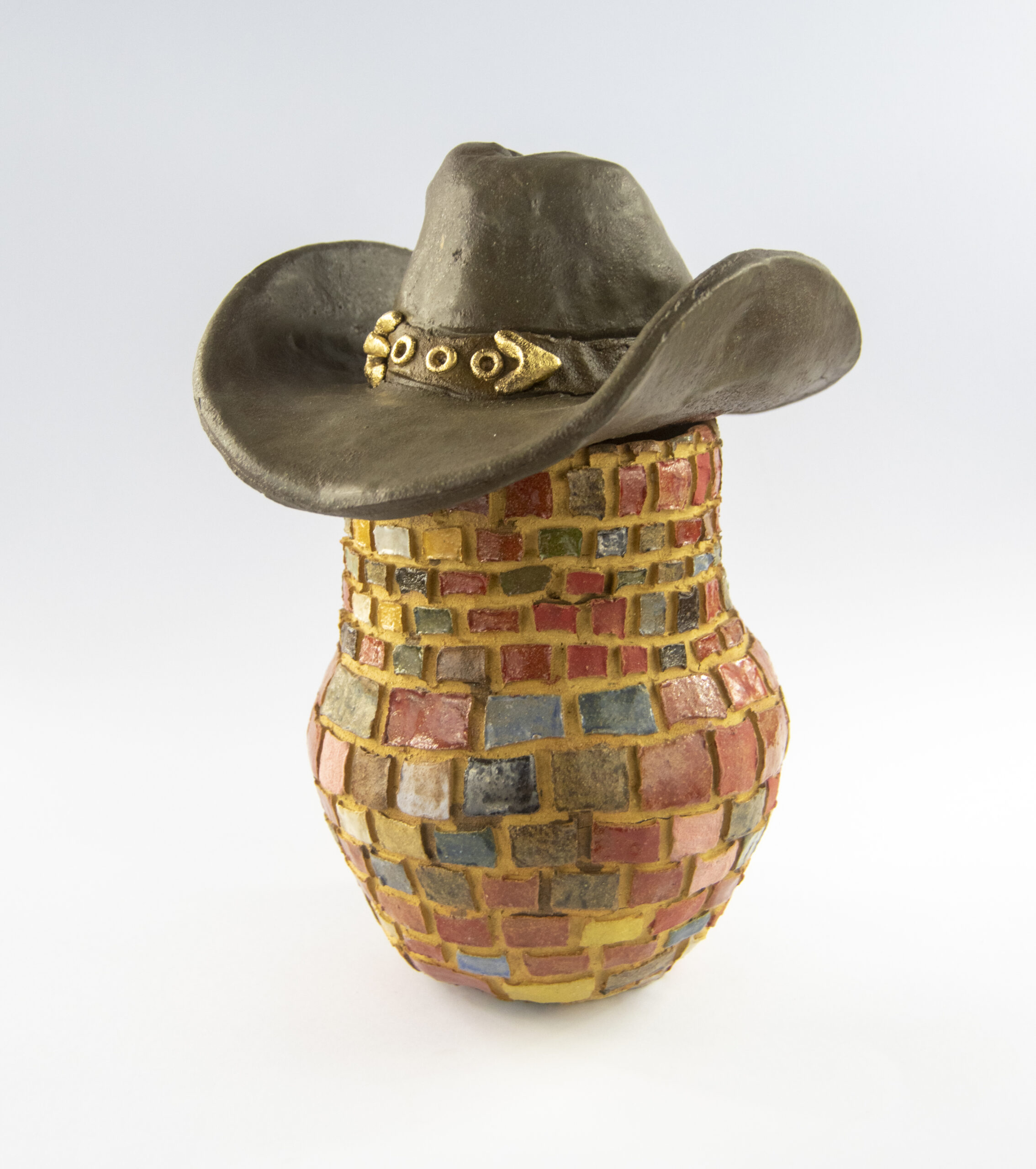
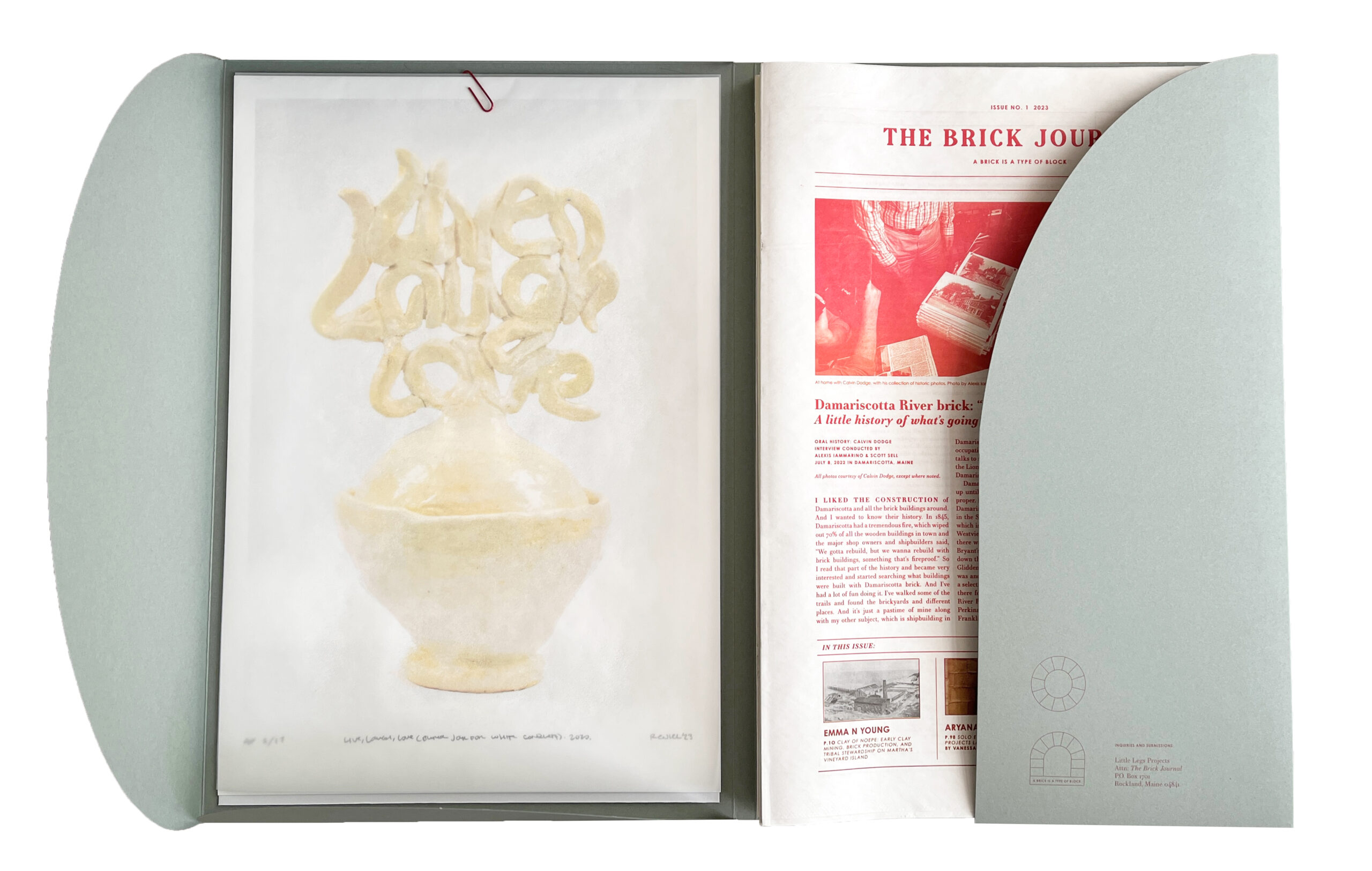
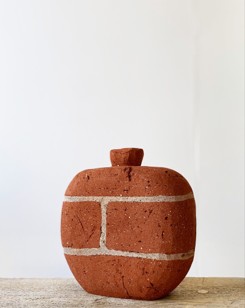
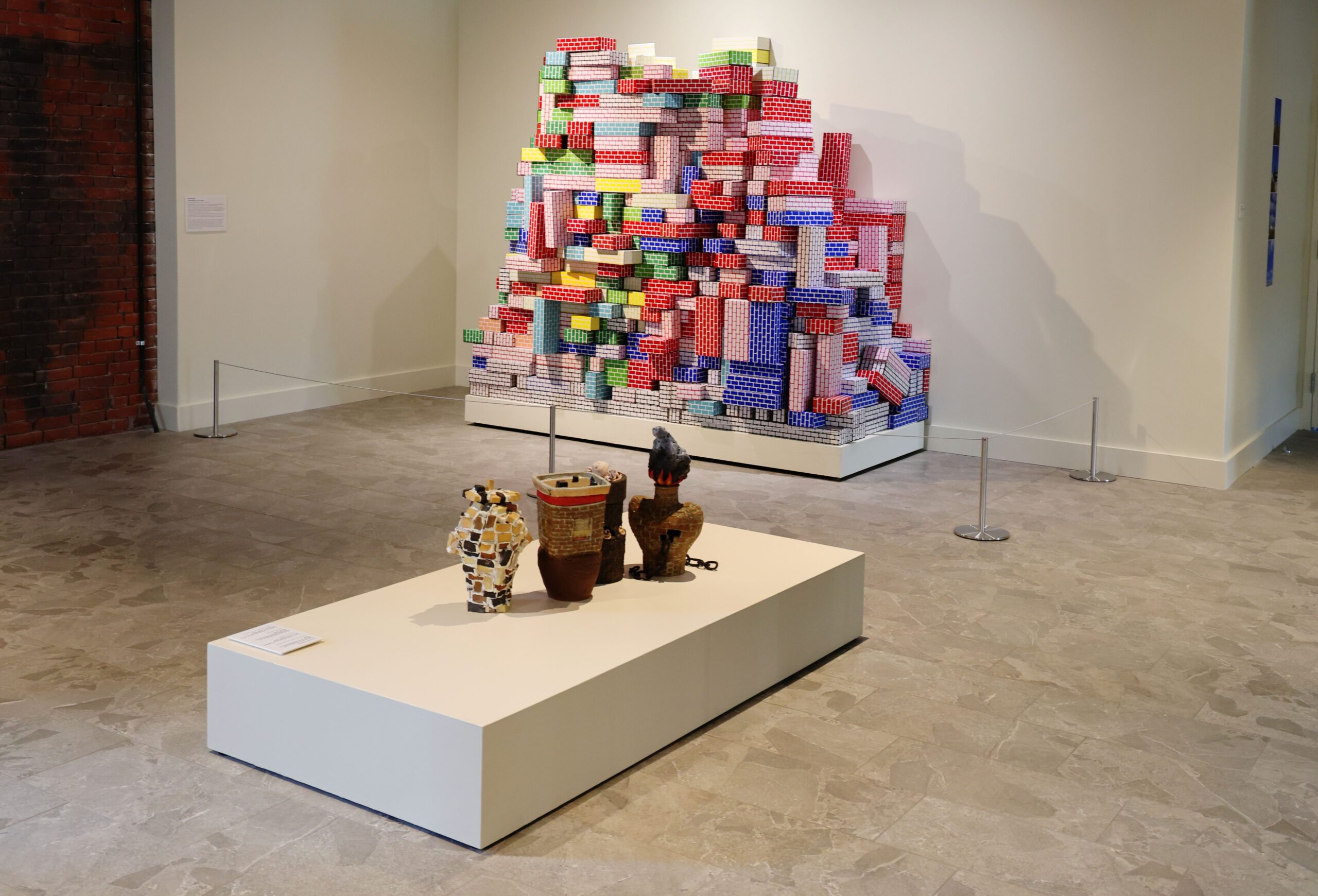
A Common Bond: The Brick Journal is the inaugural exhibition for the museum’s new rotating gallery. Guest curated by Alexis Iammarino, the exhibit showcases the collaborative publication which gives its attention to brick. The exhibit reflects the museum’s broader mission to connect art, history, industry, and community through exhibitions rooted in the stories and materials of Maine.
Drawing on Lewiston and Auburn’s legacy as centers of brick production, A Common Bond explores the intersections of craft, labor, industry, and community through the work of contemporary artists. The exhibition combines visual art, archival material and production artifacts to examine how place, historical memory, material culture and the built environment shape collective identity.
Visitors are invited to experience The Brick Journal as both a text and image-based art object and an ode to printed matter with the technical story of its material production as an offset newspaper, printed in Newcastle and Lewiston, Maine. The 148 page, eight-section publication (printed in 2023) is displayed in the gallery alongside artworks, production samples, and historical documents featured within its pages.
Photos courtesy of Little Legs Projects and the artists.
Upcoming Exhibit
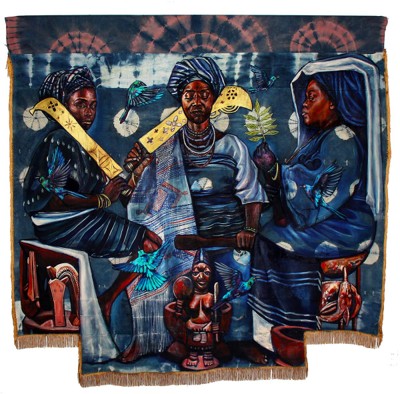
(E)mergence
An Interdisciplinary Exhibition of Four Indigo Arts Alliance Artists Examining the Social and Environmental Impact of the Textile Industry
On View at Maine MILL November 13, 2026 – April 4, 2027
October 25, 2023 Memorial Room
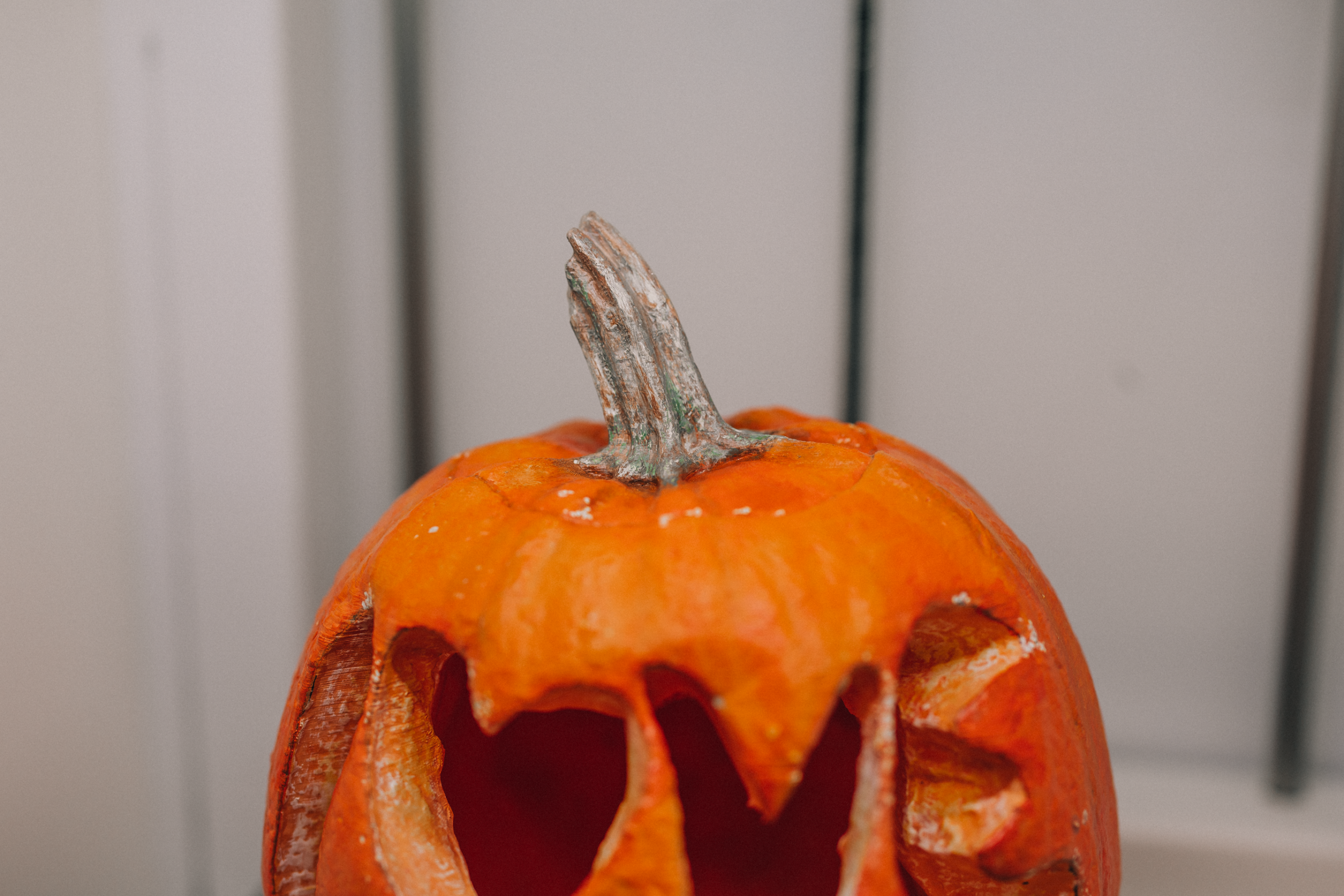
As our local history and culture museum, we believe it is important to preserve the community’s response to the tragic mass shooting that occurred in Lewiston on October 25, 2023. We are leading the cultural response to help memorialize the victims and honor the community. The museum created a memorial room within its new museum and is committed to having rotating objects on display within that room.
Photo by MJ Gautrau.
Atrium Gallery
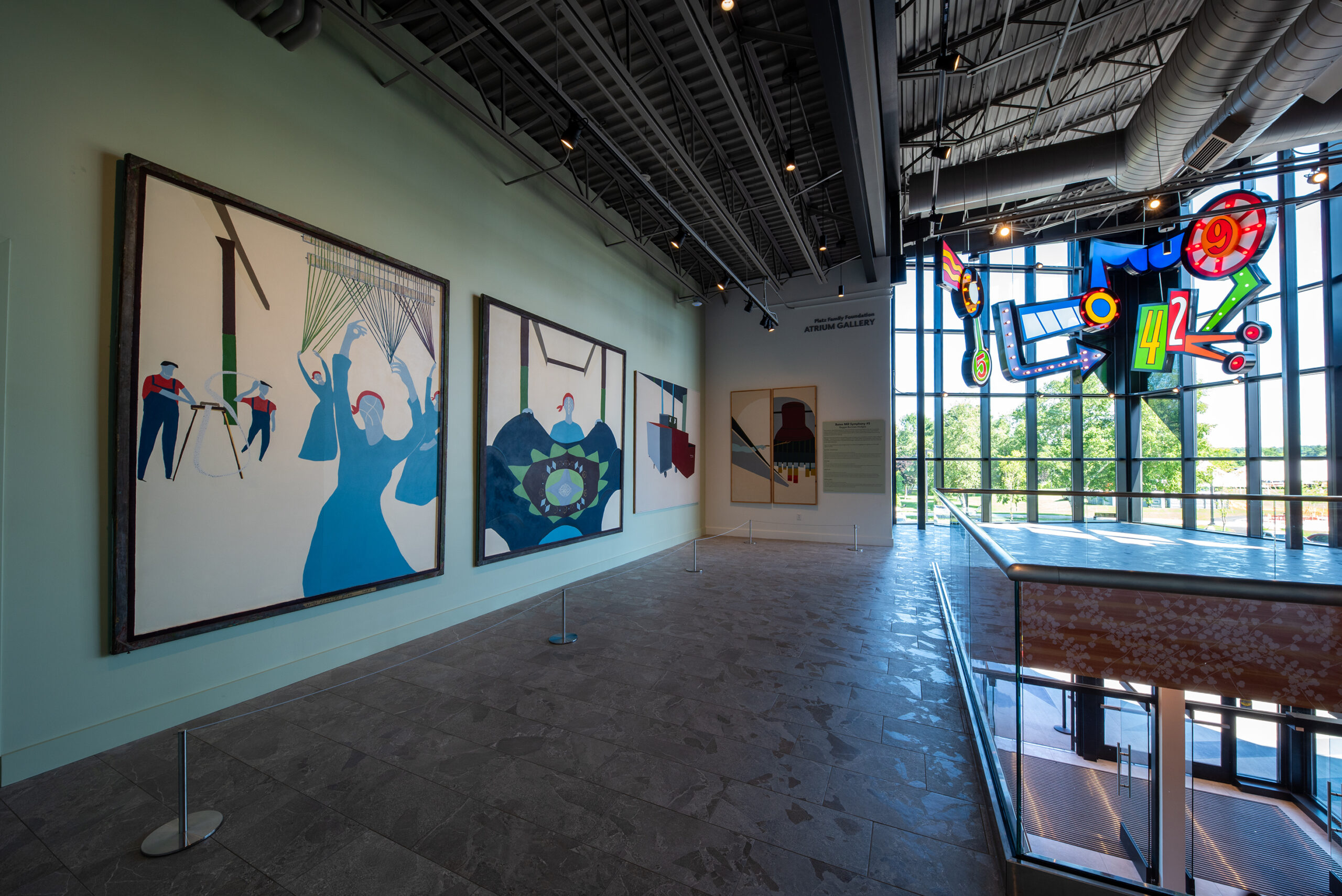
The Atrium Gallery is Maine MILL’s signature gathering space, where contemporary art meets the region’s industrial heritage in a light-filled setting overlooking Simard-Payne Park and the Androscoggin River. Designed to welcome visitors into the museum, the gallery currently features Charlie Hewitt’s monumental Mill River Rambler, a vibrant suspended installation inspired by Lewiston’s manufacturing legacy and enduring spirit, alongside Reggie Burrows Hodges’ Bates Mill Symphony #5, a powerful collection of paintings that reflects the rhythm, labor, and humanity of the city’s historic textile mills. Together, these works create a striking introduction to the museum, demonstrating how contemporary artists continue to interpret and expand the stories of work, place, and community that define Maine MILL.
Photo by Bret Woodard.
Permanent Exhibit
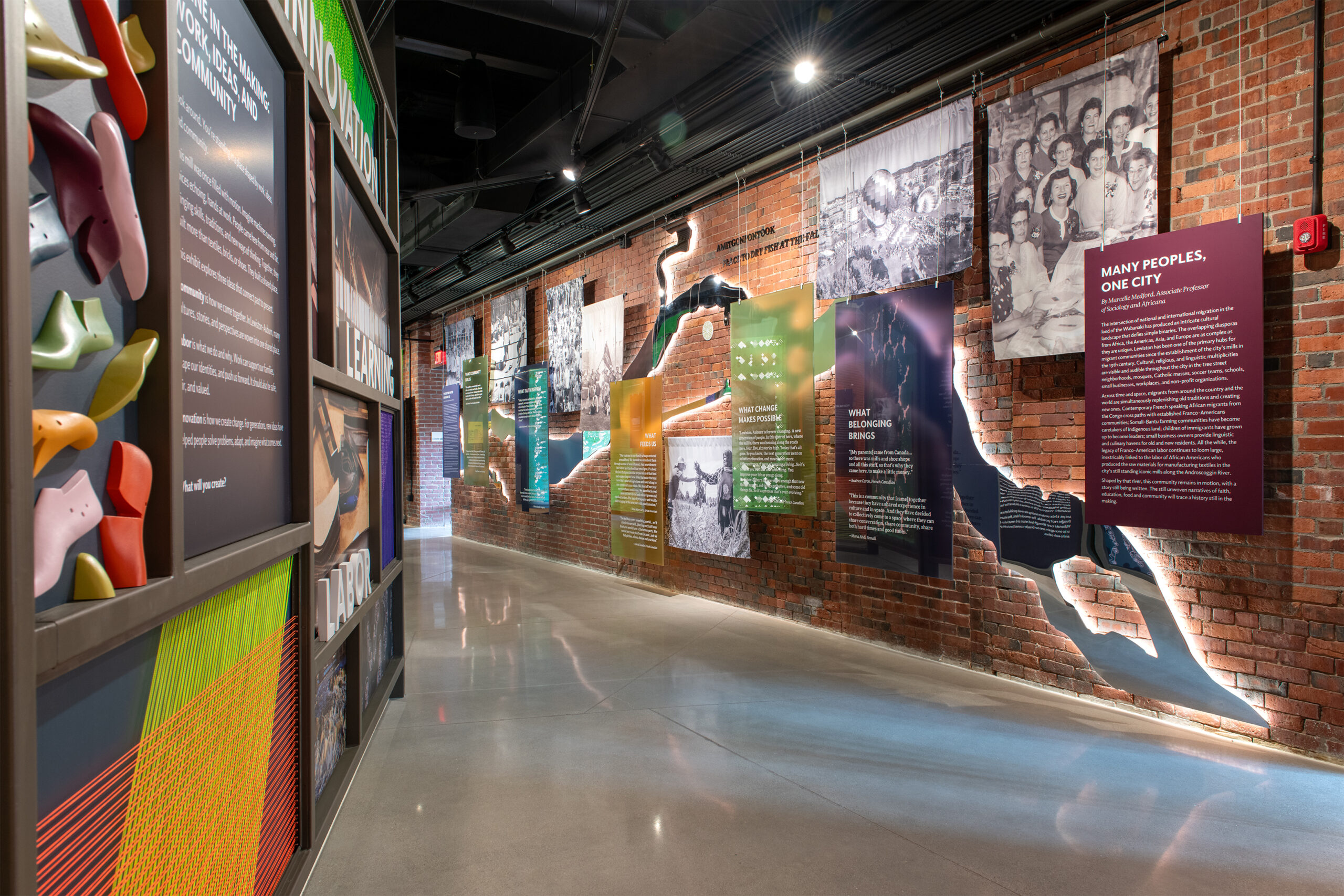
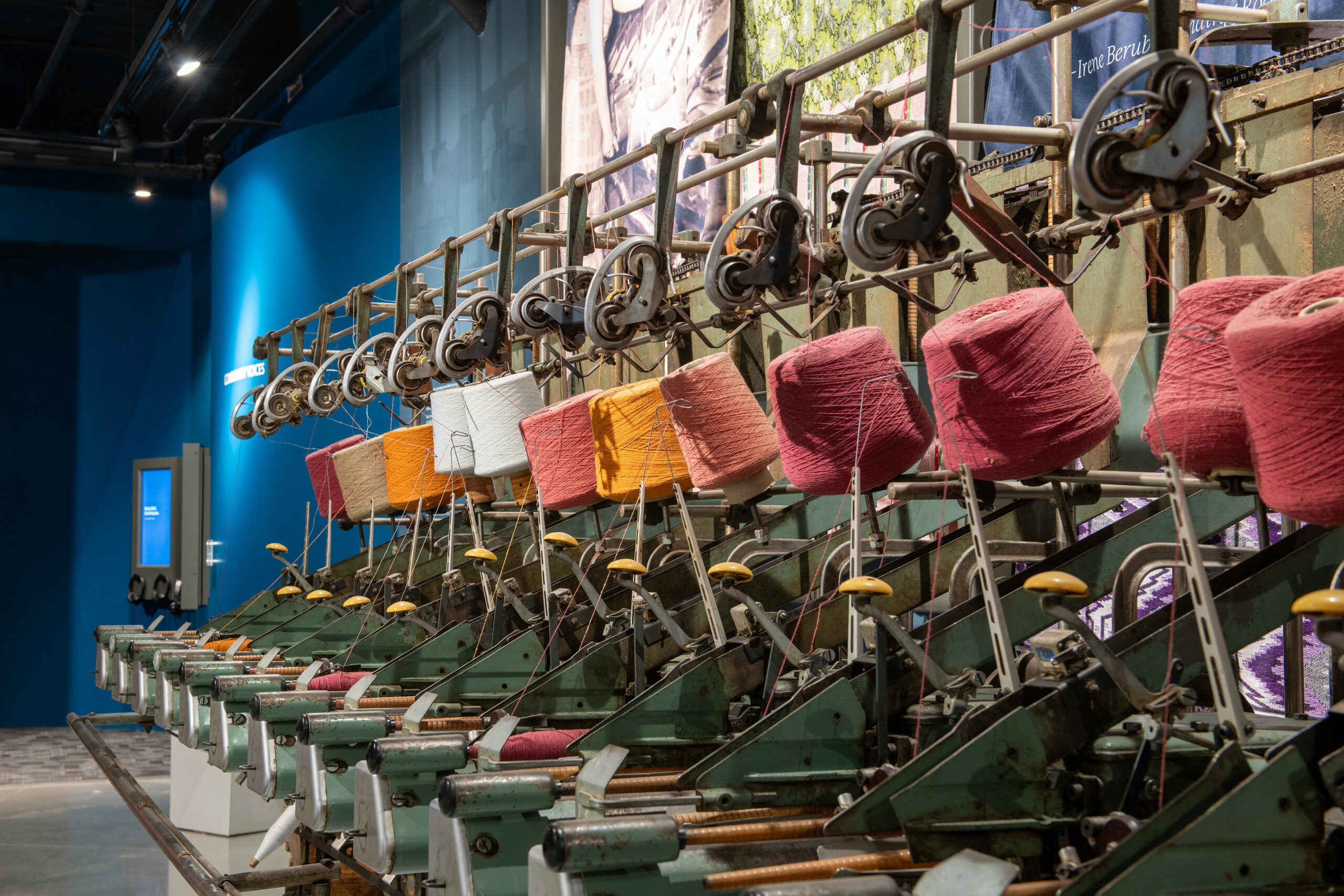
Maine MILL’s permanent collection exhibition invites visitors to explore the people, ideas, and experiences that have shaped Maine’s past and continue to influence its future. Organized around four interconnected themes —Community, Labor, Innovation, and Maine Today — the exhibition draws from the museum’s extensive collection of artifacts, photographs, oral histories, and archival materials. Together, these stories reveal how generations of Mainers have built communities, transformed industries, sparked new ideas, and adapted to a changing world, offering a deeper understanding of the forces that connect Maine’s history to the present day.
Visit this ongoing exhibit and you’ll be invited to:
- Learn about the many ways the mighty Androscoggin River played an important role in industrial expansion. Witness how the river was harnessed for power and the intricate design of iron gears and leather belts that eventually converted the flowing water into electrical power, the creation of the canals, and “the company town” that grew up around the textile mills created by Benjamin Bates.
- Follow our “Immigration Timeline” to learn more about how immigrants helped to build our community, influenced the culture, and continue to shape the future of this ever-changing cityscape.
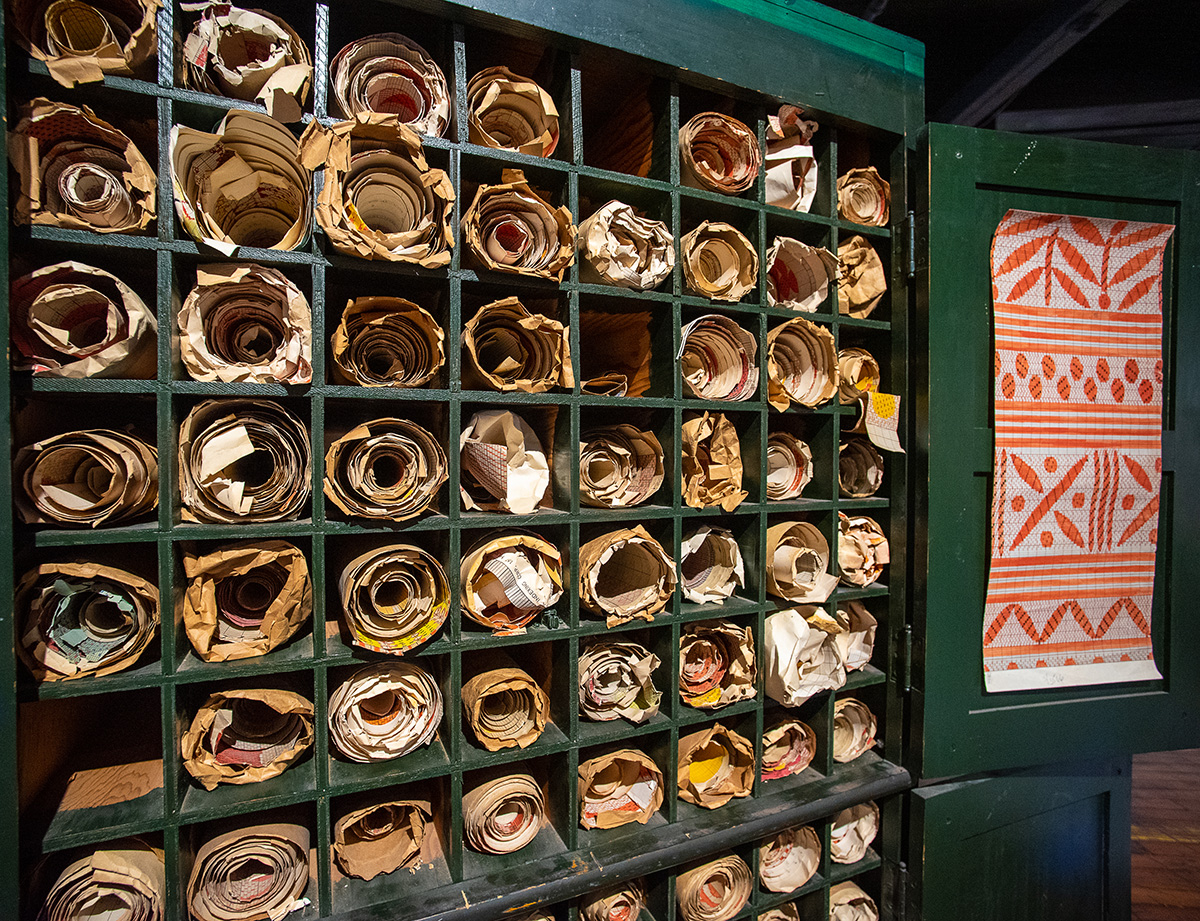
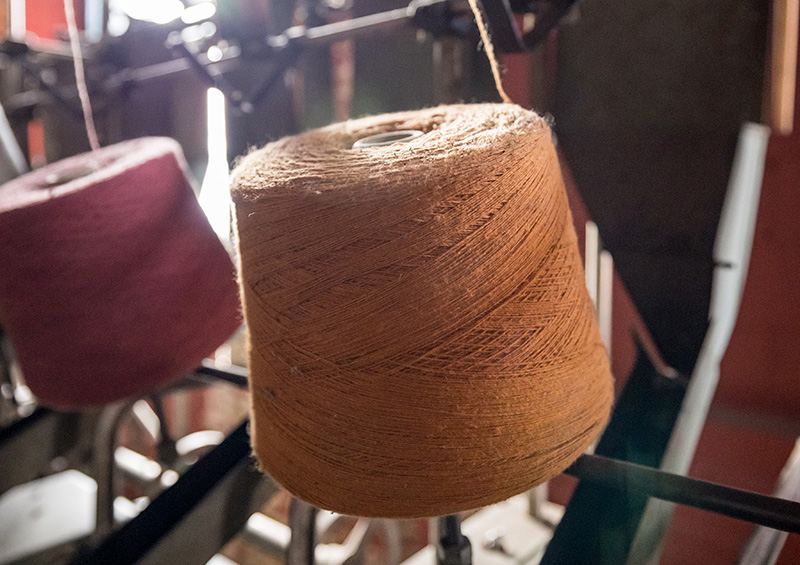
- Trace the journey of textile creation from concept to completion. Explore drawings and paintings in the design room with displays of our collection of original designs and follow the assembly line of steps in the fabric-making process with our industrial machinery collection.
- Discover the challenging conditions workers often faced in the textile mills and how the mill was a “complete” city by viewing our collection of firefighting, medical, and laboratory equipment.
- View our portrait wall of millworkers who have given oral histories and listen to a select number of first-hand accounts.
- Find out how Bates Manufacturing supported the World War II war effort with our collection of backpacks, parachutes, and naval linens.
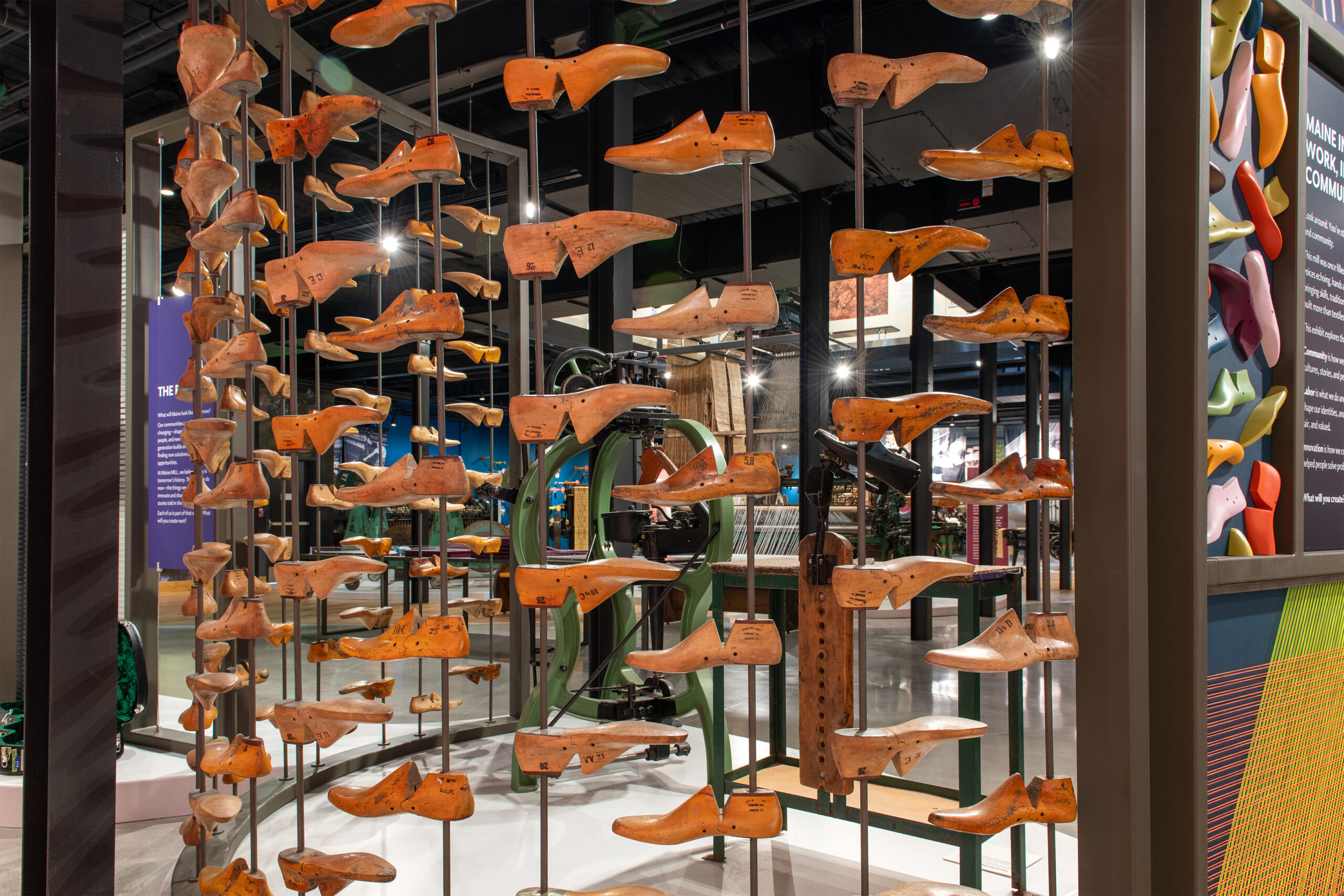
- Understand the evolution of shoemaking from hand-craft to industrial production and see the innovative tools and machinery that made this transition possible.
- Trail the steps in the brickmaking process from lump of clay to spectacular architectural creations in our collection of archival photographs documenting the creation of water-struck bricks.